Added depth where adoption is clinically and operationally complex.
These areas represent direct field experience and working knowledge, not peripheral familiarity. They inform the broader commercialization platform without limiting it.
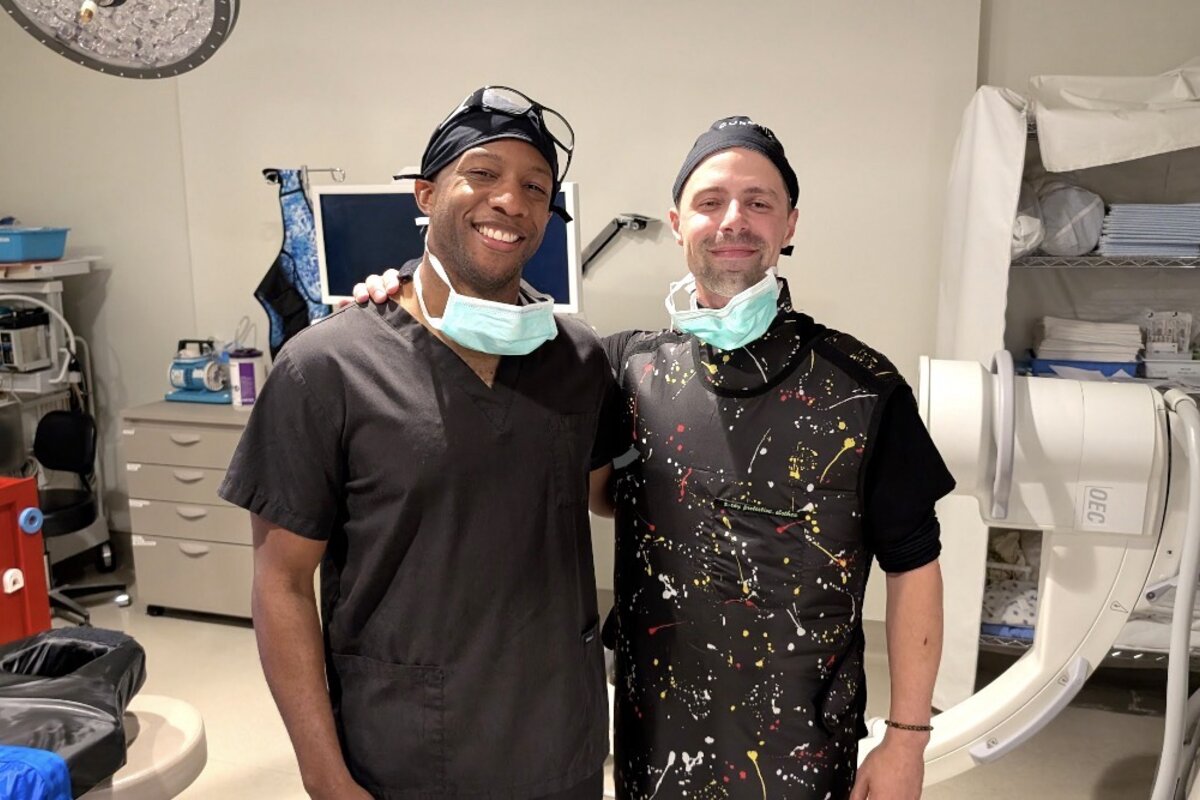
Neuromodulation & Advanced Therapies
PNS, SCS, VNS, and taVNS are technically demanding therapies that succeed or fail at the level of the implanting physician. Evidence quality, training infrastructure, and reimbursement clarity determine whether a specialist commits to a therapy or sets it aside. Commercial strategy here is built on the physician's practice reality, not around it.
US Health Strategy Group brings direct experience working within neuromodulation procedure environments, KOL networks, and evidence development programs, with a working understanding of what drives physician adoption, what creates procedural friction, and what closes the gap between clinical interest and consistent utilization.
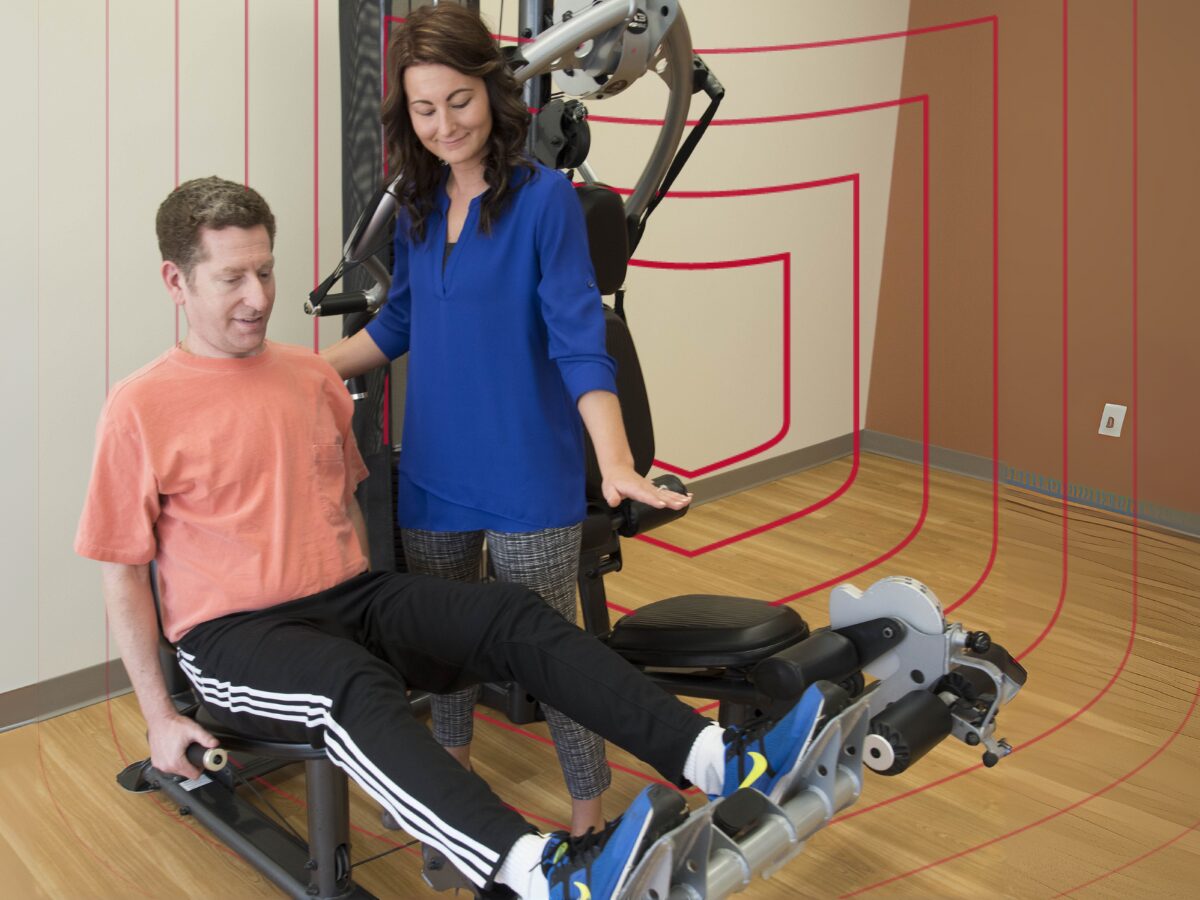
MSK, Rehab & Value-Based Care
Physical therapy, rehabilitation, concussion, and musculoskeletal care delivery present a specific challenge: the clinician who produces outcomes operates inside structures, contracts, and measurement frameworks that were not designed around their workflow. Value-based models require that clinical performance be legible, attributable, and rewarded. US Health Strategy Group brings direct experience in the physical therapy and rehabilitation sector, with working knowledge of what enables providers to function effectively within those models rather than around them.
The intersection of outcomes measurement, bundled payments, and network design is where clinical decisions become financial ones. Providers in these models carry the documentation burden and the performance risk. Positioning a product or program credibly in this environment requires understanding that burden, and demonstrating a clear reduction in it.
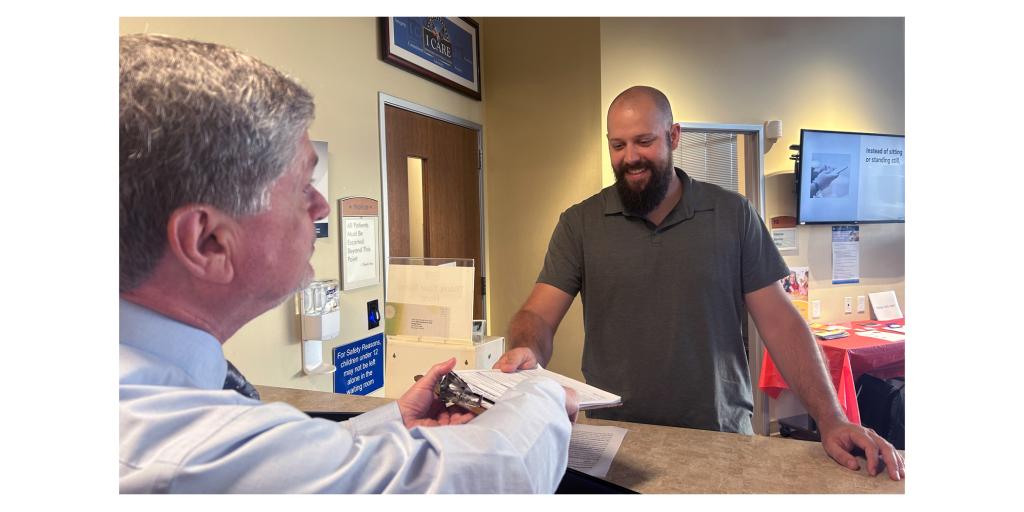
Veteran Health & VA Ecosystem
The VA is one of the largest integrated health systems in the country, and one of the most structurally demanding for a clinical champion to work within. Procurement timelines, formulary processes, and internal advocacy requirements place significant weight on the VA physician who believes in a therapy. Market entry here is only durable when the provider pathway is designed with that weight in mind, not ignored.
US Health Strategy Group brings working knowledge of VA clinical programs, MISSION Act community care pathways, and veteran-focused care delivery models, with direct understanding of how clinical champions inside the system build the internal case for adoption and where external strategy accelerates or undermines that effort.

Digital Health & Healthcare AI
Workflow fit assessment, clinical validation strategy, and adoption positioning for digital health and AI-enabled products. The barrier is not the technology. It is whether the physician trusts the output, whether the tool reduces or compounds documentation burden, and whether the evidence meets the standard a credible clinician applies before changing practice.
US Health Strategy Group works with digital health and AI companies to identify the clinical entry point where a product earns physician trust, build the evidence case that withstands clinical scrutiny, and engage the physicians and administrators whose endorsement is required for adoption to move beyond a pilot, at the stage where that positioning still changes the outcome.
These focus areas do not limit the work.
The commercialization platform applies across medtech, digital health, pharmaceutical, and care delivery sectors. They represent where US Health Strategy Group brings the most direct field experience and clinical context, not a boundary on what can be scoped.
Does your product or platform fit one of these areas?
Share the market, indication, and decision in front of you. US Health Strategy Group will recommend the most useful starting scope.